Cognitive Control Lab
Studying the neural mechanisms that enable people to learn, plan, predict, and control goal-directed behavior.
research
How the brain guides behavior
The lab’s work tightly integrates computational theory with brain imaging, cognitive experiments, and noninvasive stimulation.
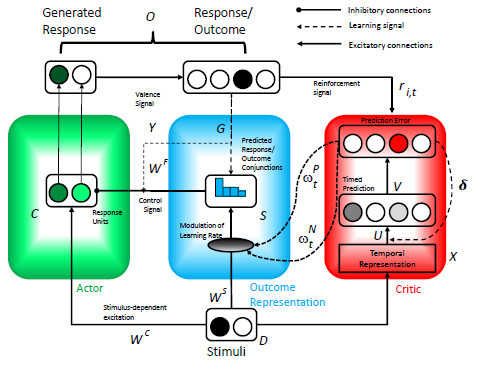
Computational neural modeling
The lab develops models of cognitive-control circuits in the frontal lobes, including the anterior cingulate cortex, lateral prefrontal cortex, and basal ganglia.
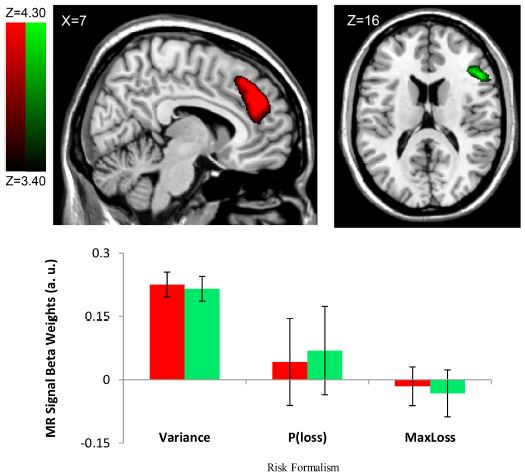
Functional MRI
The lab conducts fMRI studies of higher cognitive function, decision-making, addiction, and schizophrenia.
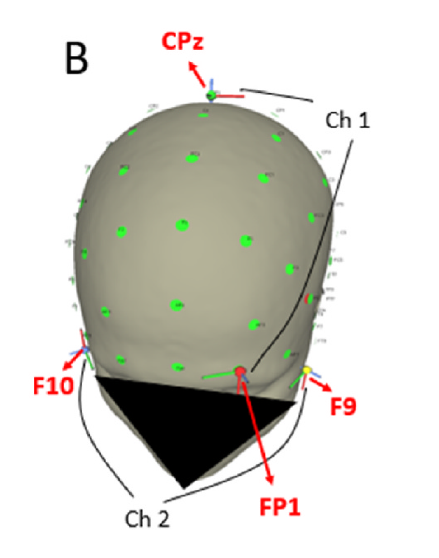
Transcranial electrical neurostimulation
The lab uses temporal interference stimulation to study frontal brain regions and explore potential applications, especially for addiction.
CCLAB mission
Understanding goal-directed behavior
The Cognitive Control Lab aims to identify and characterize the neural mechanisms of goal-directed behavior. The lab focuses especially on the frontal lobes and medial prefrontal cortex, connecting mechanistic theory with evidence from healthy and clinical populations.